Victoza in Florence, online
An EU-licensed doctor reviews your case and, if eligible, issues an electronic prescription you can collect at a pharmacy in Florence.
Consultation price. The medicine is paid at your pharmacy.
- Prescription only, if a doctor approves
- Doctor-reviewed renewals
- Full refund if not approved
Licensed EU doctors
Every case read by a registered doctor.
Reply in under 2 hours
On average, in writing, no video call.
Pay only if approved
Not approved? Refunded in full, automatically.
Rated excellent on Trustpilot
4.8 from 540+ independent reviews.
Valid across the EU
E-prescription accepted at EU pharmacies.
Victoza consultations in Florence
What it is and how it works
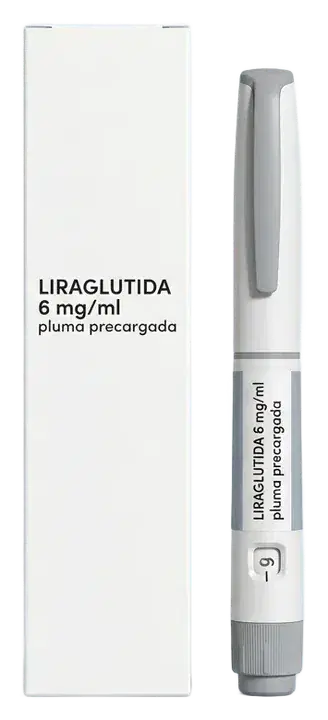
Liraglutide is a GLP-1 receptor agonist given as a daily subcutaneous injection. It was one of the first in its class approved in Europe for weight management in adults with obesity, or overweight with comorbidities.
Compared with weekly GLP-1s, its daily dosing can be useful when flexibility of adjustment matters or when a semaglutide hasn't been tolerated. The doctor weighs this up in your consultation. Two GLP-1 agonists are never combined.
Who it is for
- Adults with a BMI of 30 or more, or 27 or more plus a weight-related illness.
- One injection every day, at any time, built up from 0.6 mg to 3.0 mg.
Safety summary
Nausea and diarrhoea are very common; severe stomach pain can signal pancreatitis.
Read the safety summaryOne consultation, one clear price
You pay for the doctor's consultation. If a prescription is issued, the medicine is paid at your own pharmacy.
- Consultation reviewed by an EU-licensed doctor
- Private follow-up in the in-app chat
- Full refund if the doctor does not approve
Weight loss
- First consultation included
- Renewals reviewed by your doctor
- Ongoing care in your private chat
- Cancel anytime
Full refund if a review is not approved
Your questions answered
What is liraglutide and how is it administered?
Liraglutide or semaglutide: which do doctors choose?
More questions
What side effects should I expect?
Can I combine it with other weight-loss treatments?
Is Saxenda the same medicine as Victoza?
Why is liraglutide a daily injection when others are weekly?
What happens if I do not lose enough weight in 12 weeks?
What should I do if I get side effects on Victoza?
Can I use Victoza with my other medicines?
What are the alternatives if Victoza is not right for me?
How does follow-up work while I use Victoza?
Can I get a consultation for Victoza from Florence?
Who is a candidate for a medical weight-management programme?
What is the private electronic prescription and why is it valid across the EU?
How does Hi-Doctor work step by step?
How much does it cost and what does the price include?
How your doctor decides
Your answers
A licensed doctor reads your full questionnaire.
Medical judgement
The decision is clinical, never an algorithm.
Clear outcome
Approved with an e-prescription, or refunded in full.
Related medicines
Medicine information and safety
How does Victoza work?
Copies one gut hormone. Liraglutide is a copy of a natural gut hormone called GLP-1, which the body releases after eating. The EU product information describes it as an acylated human GLP-1 analogue with 97% amino acid sequence homology to the human hormone, and it binds to and activates the GLP-1 receptor.
Raises fullness, lowers hunger. GLP-1 receptors also sit in brain regions that regulate appetite. The product information reports that liraglutide increases feelings of fullness and satiety while lowering hunger and prospective food consumption, so people eat less. It does not increase energy expenditure compared with placebo.
Short-acting, so taken daily. Liraglutide has an elimination half-life of roughly 13 hours, which is why it is injected once every day rather than once a week like semaglutide or tirzepatide. It also raises insulin and lowers glucagon in a glucose-dependent way, and weight is lost mainly as fat mass.
How to use Victoza
Inject once every day. Liraglutide is injected once daily, at any time of day, with or without food. Unlike weekly injections it needs a dose every 24 hours, so it is easiest to pick a convenient time and keep to it.
Start low and build up. Treatment starts at 0.6 mg once daily and rises by 0.6 mg at intervals of at least a week, reaching the 3.0 mg maintenance dose in week 5. The slow climb is there to improve stomach and bowel tolerance.
Tummy, thigh or upper arm. The injection goes under the skin of the abdomen, the thigh or the upper arm. It must never be given into a vein or a muscle. Rotate the site each day to reduce the risk of amyloid deposits building up under the skin.
Check the pen before use. Look at the liquid before you inject. It should be clear and colourless, or almost colourless. With a new pen, do the flow check described in the instructions so you can see a drop appear at the needle tip before setting your dose.
Missed dose: the 12 hour rule. If you remember within 12 hours of your usual time, take the dose as soon as you can. If there is less than 12 hours until the next one, skip it and carry on as normal. Never take an extra dose.
Store pens in the fridge. Unused pens are kept in a refrigerator between 2 and 8 degrees Celsius, away from the freezer compartment, and must not be frozen. A pen in use can be stored below 30 degrees Celsius or refrigerated, and is discarded one month after first use.
Drink enough fluid. Nausea, vomiting and diarrhoea are common at the start and can leave you short of fluid. Dehydration has been linked to kidney impairment and acute kidney failure on GLP-1 medicines, so drink plenty and tell your doctor if you cannot keep fluids down.
Keep the diet and activity going. Liraglutide is licensed as an addition to a reduced-calorie diet and increased physical activity, not as a replacement for them. Every trial result quoted on this page comes from people doing both alongside the daily injection.
Common side effects
Stop and get urgent medical help if (seek medical help immediately): Severe and lasting pain in the stomach area that may reach through to your back, which can signal pancreatitis, Severe pain high in the tummy, usually worst on the right side under the ribs, which can signal gallstones or an inflamed gall bladder, Breathing problems, or swelling of the face, lips, tongue or throat, which can signal a severe allergic reaction, Vomiting or diarrhoea so severe or so lasting that you cannot keep fluids down, because dehydration can lead to kidney failure, Cold sweat, pale skin, shakiness, headache and confusion, if you also take insulin or a sulfonylurea for diabetes, A racing or pounding heartbeat while you are resting, which the prescriber needs to review, Severe stomach pain with bloating and no bowel movement, which can signal a blocked bowel
Very common (very common (≥1/10)): Feeling sick (nausea), most often while the dose is being increased, Being sick (vomiting), Diarrhoea, Constipation, Headache
Common (common (≥1/100 to <1/10)): Low blood sugar symptoms, self-reported and not confirmed by a blood glucose reading, in people without type 2 diabetes, Trouble sleeping, mainly during the first three months, Dizziness, A change in the sense of taste, Dry mouth, Indigestion, gastritis or acid reflux, Pain in the upper part of the tummy, Wind, burping or a bloated tummy, Gallstones, Rash, Injection site reactions, Weakness or tiredness, Raised lipase or amylase on blood tests
Uncommon (uncommon (≥1/1,000 to <1/100)): Dehydration, A faster heart rate (tachycardia), Pancreatitis, which is inflammation of the pancreas, Delayed stomach emptying, Inflammation of the gall bladder (cholecystitis), Nettle rash (urticaria), Generally feeling unwell
Rare (rare (≥1/10,000 to <1/1,000)): Anaphylactic reaction, a sudden and severe whole-body allergic reaction, Acute kidney failure, Kidney impairment
Frequency not known (frequency not known (cannot be estimated from the available data)): Intestinal obstruction, a blockage of the bowel, reported after the medicine went on the market, Cutaneous amyloidosis, a lumpy deposit that can build up under the skin at the injection site
Do not use Victoza if
- You have ever had an allergic reaction to liraglutide or to any other ingredient in the pen. This is the only absolute contraindication in the EU product information.
- You are pregnant, or you want to become pregnant. Liraglutide should not be used in pregnancy, and treatment is discontinued if pregnancy occurs.
- You are breastfeeding. It is not known whether liraglutide passes into human milk, so it should not be used while breastfeeding.
- You or a close relative have had medullary thyroid carcinoma, or you have multiple endocrine neoplasia syndrome type 2. US labelling makes this an outright contraindication; EU labelling advises caution in anyone with thyroid disease.
- You have had pancreatitis. If pancreatitis is suspected liraglutide is stopped, and if it is confirmed it is not restarted.
- You have gallstones or gall bladder disease. Weight-management trials found more gallstones and gall bladder inflammation on liraglutide than on placebo.
- You have severe kidney impairment, including end-stage kidney disease, or severe liver impairment. Liraglutide is not recommended in these groups.
- You have inflammatory bowel disease or diabetic gastroparesis. Experience is limited and the medicine is not recommended, because it causes stomach and bowel effects.
- You already take another GLP-1 receptor agonist, or you would be using it as a replacement for insulin. Neither is allowed.
- You have New York Heart Association class IV heart failure, or you are 75 years or older. There is no clinical experience in these groups, so use is not recommended.
Medicines and substances that interact
- Insulin and sulfonylureas (for example gliclazide): Combined use in type 2 diabetes raises the risk of low blood sugar, sometimes severe. The prescriber may lower the insulin or sulfonylurea dose and asks for blood glucose self-monitoring.
- Other GLP-1 receptor agonists: Two medicines acting on the same receptor add side effects without an established extra benefit. Liraglutide for weight management must not be combined with another GLP-1 receptor agonist.
- Warfarin and other coumarin blood thinners: No interaction study was done, and a clinically relevant effect on warfarin cannot be excluded. The prescriber arranges more frequent INR checks when liraglutide is started.
- Oral medicines in general: Liraglutide slightly delays stomach emptying, which can slow how fast a tablet is absorbed. Interaction studies showed no clinically relevant delay, so no dose change is required.
- Paracetamol: Peak paracetamol level fell by 31% and was reached up to 15 minutes later; total exposure was unchanged. No dose adjustment is needed for paracetamol taken alongside liraglutide.
- Combined oral contraceptives: Peak ethinylestradiol and levonorgestrel levels fell by 12% and 13%, with no relevant change in total exposure. The contraceptive effect is expected to be unaffected, so no change is required.
- Atorvastatin, digoxin and lisinopril: Peak levels fell by 38%, 31% and 27% respectively, with only small changes in total exposure. No dose adjustment of any of these three is required based on those results.
- General anaesthesia or deep sedation: Delayed stomach emptying can leave food in the stomach, and pulmonary aspiration has been reported. Tell the anaesthetic team you take liraglutide before any procedure needing anaesthesia or sedation.
References
- Saxenda (liraglutide): European public assessment report, medicine overview European Medicines Agency, 2015
- Saxenda 6 mg/mL solution for injection in pre-filled pen: Annex I Summary of Product Characteristics European Medicines Agency, 2026
- Saxenda 6 mg/mL solution for injection in pre-filled pen: Summary of Product Characteristics electronic medicines compendium (emc), 2026
- Saxenda 6 mg/mL solution for injection in pre-filled pen: Patient Information Leaflet electronic medicines compendium (emc), 2026
- Liraglutide (Saxenda, Diavic, Zegluxen): NHS medicines A to Z NHS, 2026
- SCALE Obesity and Prediabetes: a randomized, controlled trial of 3.0 mg of liraglutide in weight management New England Journal of Medicine, 2015
- SCALE Maintenance: weight maintenance and additional weight loss with liraglutide after low-calorie-diet-induced weight loss International Journal of Obesity, 2013
- Victoza (liraglutide): European public assessment report, medicine overview European Medicines Agency, 2009
- Saxenda (liraglutide) injection: US prescribing information, boxed warning and contraindications DailyMed, US National Library of Medicine, 2026
- CIMA: Saxenda presentations, marketing and prescription status in Spain AEMPS (Spanish Agency of Medicines and Medical Devices), 2026
- Sozialgesetzbuch V § 34: medicines excluded from statutory health insurance, including those for weight regulation Bundesministerium der Justiz (gesetze-im-internet.de), 2026
- Liraglutide: preparaattekst and vergoeding conditions in the Netherlands Farmacotherapeutisch Kompas, Zorginstituut Nederland, 2026
- Liraglutide (Saxenda): health technology assessment and HSE reimbursement decision National Centre for Pharmacoeconomics (Ireland), 2023
- Rejestr Produktow Leczniczych: Saxenda registration record in Poland Centrum e-Zdrowia (Poland), 2026
- INFOMED: base de dados de medicamentos de uso humano INFARMED (Portugal), 2026
- STEP 1: Once-weekly semaglutide in adults with overweight or obesity New England Journal of Medicine, 2021
- SURMOUNT-1: Tirzepatide once weekly for the treatment of obesity New England Journal of Medicine, 2022
- XENDOS: XENical in the prevention of Diabetes in Obese Subjects, a 4-year randomised study Diabetes Care, 2004
- Wegovy (semaglutide) solution for injection: Summary of Product Characteristics electronic medicines compendium (emc), 2026
- Xenical 120 mg hard capsules: Summary of Product Characteristics electronic medicines compendium (emc), 2026
Also available in
- Sevilla
- Málaga
- Córdoba
- Granada
- Jerez de la Frontera
- Almería
- Huelva
- Cádiz
- Jaén
- Marbella
- Zaragoza
- Huesca
- Teruel
- Oviedo
- Gijón
- Avilés
- Palma de Mallorca
- Ibiza
- Mahón
- Las Palmas de Gran Canaria
- Santa Cruz de Tenerife
- San Cristóbal de La Laguna
- Telde
- Arona
- Santander
- Toledo
- Valladolid
- Barcelona
- Valencia
- Alicante
- Mérida
- Vigo
- Santiago de Compostela
- Logroño
- Madrid
- Murcia
- Pamplona
- Bilbao
- Vitoria-Gasteiz
- San Sebastián
- Berlin
- Hamburg
- Munich
- Cologne
- Frankfurt
- Stuttgart
- Düsseldorf
- Leipzig
- Dortmund
- Essen
- Paris
- Marseille
- Lyon
- Toulouse
- Nice
- Nantes
- Montpellier
- Strasbourg
- Bordeaux
- Lille
- Rome
- Milan
- Naples
- Turin
- Palermo
- Genoa
- Bologna
- Florence
- Bari
- Catania
- Warsaw
- Krakow
- Łódź
- Wroclaw
- Poznań
- Gdansk
- Szczecin
- Bydgoszcz
- Amsterdam
- Rotterdam
- The Hague
- Utrecht
- Eindhoven
- Groningen
- Tilburg
- Almere
- Brussels
- Antwerp
- Ghent
- Charleroi
- Liège
- Bruges
- Namur
- Lisbon
- Porto
- Vila Nova de Gaia
- Amadora
- Braga
- Coimbra
- Bucharest
- Cluj-Napoca
- Iași
- Timișoara
- Constanta
- Craiova
- Athens
- Thessaloniki
- Patras
- Piraeus
- Prague
- Brno
- Ostrava
- Pilsen
- Budapest
- Debrecen
- Szeged
- Miskolc
- Vienna
- Graz
- Linz
- Salzburg
- Stockholm
- Gothenburg
- Malmö
- Uppsala
- Västerås
- Helsinki
- Espoo
- Tampere
- Vantaa
- Copenhagen
- Aarhus
- Odense
- Aalborg
- Dublin
- Cork
- Limerick
- Galway
- Sofia
- Plovdiv
- Varna
- Burgas
- Bratislava
- Košice
- Prešov
- Žilina
- Zagreb
- Split
- Rijeka
- Osijek
- Vilnius
- Kaunas
- Klaipėda
- Šiauliai
- Panevėžys
- Ljubljana
- Maribor
- Celje
- Riga
- Daugavpils
- Liepāja
- Jelgava
- Tallinn
- Tartu
- Narva
- Nicosia
- Limassol
- Larnaca
- Paphos
- Luxembourg City
- Esch-sur-Alzette
- Valletta
- Birkirkara
- Qormi
- Mosta
- Spain
- France
- Germany
- Italy
- Portugal
- Netherlands
- Belgium
- Ireland
- Poland
- Czechia
- Slovakia
- Hungary
- Romania
- Bulgaria
- Greece
- Cyprus
- Croatia
- Slovenia
- Austria
- Denmark
- Sweden
- Finland
- Estonia
- Latvia
- Lithuania
- Luxembourg
- Malta
Start your treatment journey
A doctor replies in under 2 hours on average.
Start consultationNo charge unless a doctor approves your treatment.
Pay nothing if a doctor doesn't approve your treatment. Every consultation is fully refundable. How refunds work