Safety information · Internal patient-safety page
Liraglutide safety summary
Liraglutide is a GLP-1 receptor agonist that acts on the brain's appetite centres and slows stomach emptying, so you feel full sooner and eat less. Unlike its weekly cousins, it is injected once a day. It is indicated for chronic weight management alongside a reduced-calorie diet and increased physical activity.
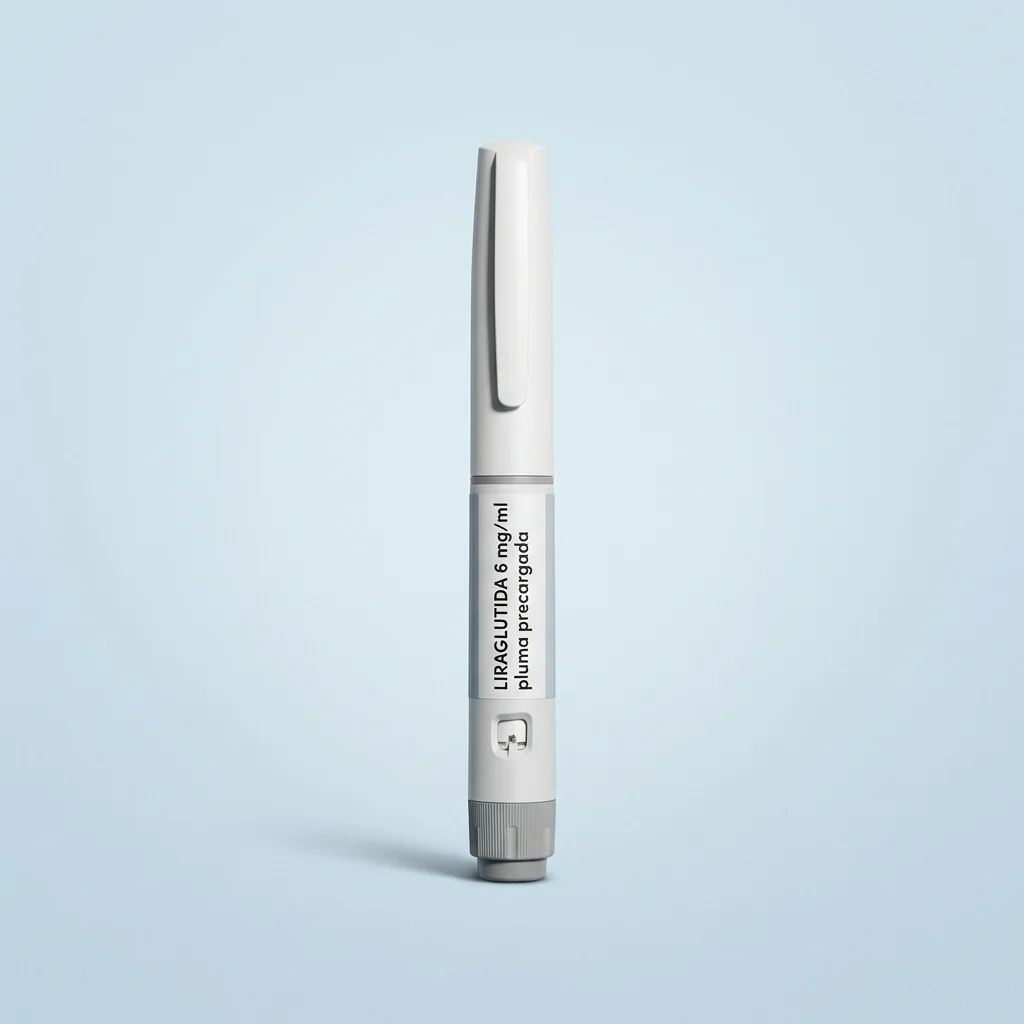
What it's used for
- Once-daily self-injection into the thigh, abdomen or upper arm, at any time of day but ideally at the same time each day.
- The dose is built up week by week to the maintenance dose, to limit digestive side effects.
- Works alongside diet and physical activity. It does not replace lifestyle change.
Most common side effects
- Very common (more than 1 in 10 people): nausea, vomiting, diarrhoea, constipation and headache.
- Common: tiredness, indigestion and abdominal pain.
- Common: mild injection-site reactions.
- Low blood sugar when combined with insulin or sulfonylureas, not a typical risk of liraglutide alone.
Serious side effects: stop and seek care
- Severe abdominal pain radiating to the back (possible pancreatitis): stop injecting and seek urgent care.
- Gallbladder problems: sudden pain in the upper right abdomen, fever, yellowing of skin or eyes.
- Severe dehydration from prolonged vomiting or diarrhoea: risk of acute kidney injury.
- A racing heartbeat that doesn't settle at rest.
- Severe allergic reaction (rash, swelling, difficulty breathing).
Who should not take it
- Allergy to liraglutide or any ingredient of the injection.
- Pregnancy, planning a pregnancy, or breastfeeding.
- Not to be combined with other GLP-1 receptor agonists.
- Not recommended in severe kidney or liver impairment, or in severe heart failure.
- Tell your doctor about any history of pancreatitis or gallstones.
Interactions to flag
- Insulin and sulfonylureas: risk of low blood sugar; doses may need adjusting.
- Oral medicines with a narrow margin (e.g. warfarin): closer monitoring is sensible when starting.
- Tell your doctor about every diabetes medicine you take before the first injection.
Message us in the app chat if you notice any of these
- Severe or persistent abdominal pain: same day.
- Vomiting that stops you keeping fluids down for more than 24 hours.
- Pain in the upper right abdomen, fever or yellowing of the skin.
- A pregnancy or a positive pregnancy test: stop injecting and contact us.
AEMPS CIMA: Liraglutide 6 mg/ml
Back to your consultationThis page summarises information from the regulator-approved leaflet for reference only. It is not medical advice and does not replace the assessment of an EU-licensed doctor. Your doctor will review your individual history, dose and interactions during your consultation.