Calm persistent redness
Tell us your triggers and symptoms, add photos, and get a doctor-selected topical plan for redness or spots.
Consultation with photo review. Medicine paid at the pharmacy.
- Doctor reply
- Under 2 hours on average
- Photos
- 1 to 3
The photo review step
The doctor needs 1 to 3 clear photos to confirm the diagnosis and rule out other causes.
- Daylight, facing a window
- No make-up or filters
- Front and each side of the face
Treatment approach
Treatment is chosen by the doctor after the photo review.
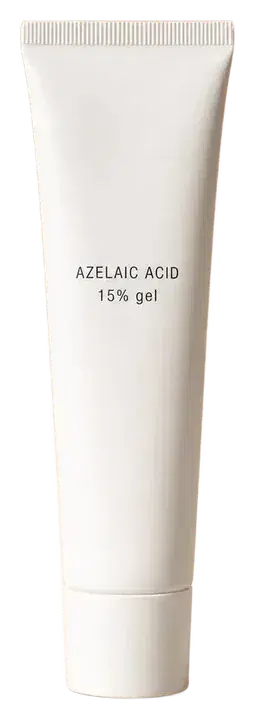
Azelaic acid 15%
Twice-daily gel for papulopustular rosacea in adults.
Compounded redness formula
Pharmacy-compounded once-daily cream for persistent redness, 3-month course.
Compounded spot formula
Pharmacy-compounded once-daily gel for papules and pustules, 3-month course.
What to expect over the weeks
Photo review
The doctor confirms rosacea and chooses a treatment.
Getting started
Mild stinging can happen at first and usually settles.
Calmer skin
Redness and spots improve gradually with regular use.
Keeping it calm
Avoid your triggers; the doctor can adjust the plan in the chat.
One consultation, one clear price
You pay for the doctor's consultation. If a prescription is issued, the medicine is paid at your own pharmacy.
- Consultation reviewed by an EU-licensed doctor
- Private follow-up in the in-app chat
- Full refund if the doctor does not approve
Dermatology
- Consultation reviewed by an EU-licensed doctor
- Photo review of your skin
- Electronic prescription if approved
Full refund if a review is not approved
What to know before your consultation
Rosacea and its treatment options
Rosacea is a long-term condition of the central face that causes flushing, persistent redness, visible blood vessels and sometimes red bumps and pustules. Treatment is chosen according to the features you have. For papules and pustules the doctor may consider azelaic acid 15% gel. For persistent redness with inflammation, or spots that need a different approach, the doctor can prescribe a pharmacy-compounded formula combining established rosacea ingredients such as metronidazole, azelaic acid or ivermectin. Oral antibiotics and oral ivermectin are not prescribed online.
Who the rosacea consultation suits
The rosacea consultation is for adults with typical facial redness, flushing or bumps whose pattern is clear from photos. Rosacea can look like acne, seborrhoeic dermatitis or lupus, so the doctor refers you in person if the diagnosis is not clear. Eye symptoms such as grittiness, burning or redness, a thickening nose, and rosacea that has not responded to previous treatment also need in-person care. If you are pregnant, planning a pregnancy or breastfeeding, the doctor reviews your case individually rather than prescribing from the standard list.
Safety of rosacea treatment
Stinging, burning, itching and dryness where the product is applied are the most common effects, usually in the first weeks. Azelaic acid can rarely worsen asthma, so mention it if you have asthma and stop if you develop wheeze. Metronidazole can make the eyes water if applied close to them, and compounded formulas follow the pharmacy's label for storage and shelf life. A painful red eye, blurred vision or sensitivity to light can signal keratitis and needs urgent same-day care, and facial swelling or breathing difficulty needs emergency help.
Beyond the prescription for rosacea
Daily sunscreen of at least SPF 30, gentle skin care for sensitive skin and avoiding your triggers help control rosacea. Common triggers include sun, heat, alcohol, spicy food, hot drinks and stress. Visible blood vessels are usually treated with laser or intense pulsed light, which is done in person. Oral treatments for more extensive rosacea are prescribed by your family doctor or a dermatologist. If the doctor decides online treatment is not appropriate, they tell you why and the consultation fee is refunded in full.
Rosacea evidence and consensus
In two 12-week trials in adults with moderate papulopustular rosacea, azelaic acid 15% gel led to treatment success in 61% and 62% of people, compared with 40% and 48% with an inactive gel. A systematic review using GRADE rated the evidence for azelaic acid as high certainty and for metronidazole as moderate. The global rosacea consensus recommends treating each feature and combining treatments when several are present. The compounded formulas have not been studied as finished products, so the doctor relies on the evidence for their ingredients.
Your rosacea consultation, step by step
You answer a rosacea questionnaire about redness, flushing, spots, eye symptoms, triggers and pregnancy. A clear photo is required, taken in daylight without make-up and with a close-up of the cheeks and nose, because the doctor needs to see the pattern. An EU-licensed doctor reviews everything and writes to you in the private chat if anything is unclear. If treatment is appropriate, you receive an electronic prescription. Azelaic acid is dispensed at your pharmacy, while a compounded formula is prepared by a pharmacy with a compounding laboratory and takes a few days, and you pay the pharmacy directly.
Living with rosacea long term
Rosacea cannot be cured, but treatment can control it, and it can get worse if left untreated. The doctor sets a review point in your plan, and at the end of the course a follow-up consultation with new photos decides whether to continue, switch or step down to maintenance. Flares can return after treatment stops, so many people keep up sun protection and trigger avoidance long term. Write to the doctor in the chat if redness worsens, spots do not improve or any eye symptoms appear.
Sources
- electronic medicines compendium (emc), regulator-approved SmPC. Finacea 15% gel (azelaic acid): Summary of Product Characteristics (2024)
- Journal of the American Academy of Dermatology (PubMed 12789172). Azelaic acid 15% gel for papulopustular rosacea: two vehicle-controlled randomised phase III studies (Thiboutot D et al., J Am Acad Dermatol 2003;48(6):836-845) (2003)
- NHS (nhs.uk). Rosacea (2026)
- British Journal of Dermatology (PubMed 31392722). Recommendations for rosacea diagnosis, classification and management: update from the global ROSacea COnsensus 2019 panel (Schaller M et al., Br J Dermatol 2020;182(5):1269-1276) (2020)
- electronic medicines compendium (emc), regulator-approved SmPC. Rozex 0.75% w/w cream (metronidazole): Summary of Product Characteristics (2024)
- British Journal of Dermatology (PubMed 30585305). Interventions for rosacea based on the phenotype approach: updated systematic review including GRADE assessments (van Zuuren EJ et al., Br J Dermatol 2019) (2019)
- J Eur Acad Dermatol Venereol (PubMed 26691278). Maintenance of remission after ivermectin 1% vs metronidazole 0.75% cream: 36-week extension of the ATTRACT randomised study (Taieb A et al., J Eur Acad Dermatol Venereol 2016) (2016)
Sources checked on September 29, 2026
Your questions answered
Who is the rosacea consultation for?
Which rosacea treatments can the doctor prescribe?
Do I need to send photos?
How long does rosacea treatment take to work?
What else helps besides the prescription?
Can I use rosacea treatment while pregnant or breastfeeding?
What does it cost, and how do I get a compounded formula?
What side effects can rosacea treatment cause?
Can I wear make-up during treatment?
Does treatment help visible blood vessels?
How do I keep rosacea under control after the course?
Calmer skin starts here
A doctor reviews your photos and replies in under 2 hours on average.
Start rosacea consultationNo charge unless a doctor approves your treatment.
Pay nothing if a doctor doesn't approve your treatment. Every consultation is fully refundable. How refunds work