Clearer skin, guided by a doctor
A focused assessment with photos, and a topical treatment matched to your skin, no video call.
Consultation with photo review. Medicine paid at the pharmacy.
- DOCTOR REPLY
- Under 2 hours
- QUESTIONNAIRE
- 5 minutes

Licensed EU doctors
Every case read by a registered doctor.
Reply in under 2 hours
On average, in writing, no video call.
Pay only if approved
Not approved? Refunded in full, automatically.
Rated excellent on Trustpilot
4.8 from 540+ independent reviews.
Valid across the EU
E-prescription accepted at EU pharmacies.
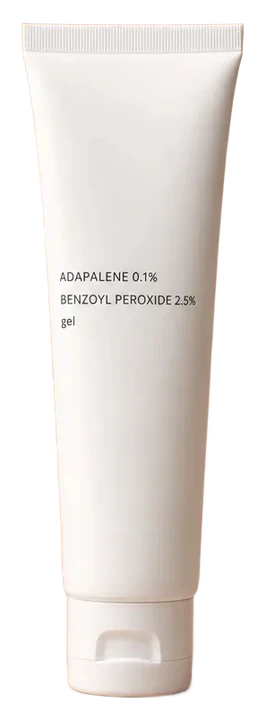
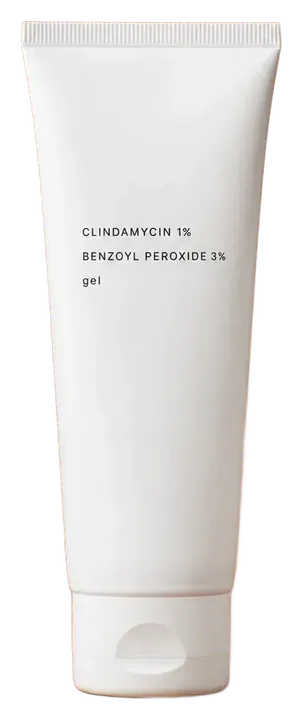
Treatments your doctor may prescribe
Each is a prescription-only topical. Your doctor chooses based on your skin and photos.

How it works
Answer online
A 5-minute questionnaire about your skin.
Add photos
Three clear photos of the affected areas.
Doctor review
A licensed doctor replies in under 2 hours.
4-week check-in
Your doctor reviews progress and renews if needed.
One consultation, one price
Photo review included. Full refund if the doctor doesn’t approve treatment.
- Consultation reviewed by an EU-licensed doctor
- Photo review of your skin
- Electronic prescription if approved
Dermatology
- Consultation reviewed by an EU-licensed doctor
- Photo review of your skin
- Electronic prescription if approved
Full refund if a review is not approved
What to know before your consultation
Acne and its prescription options
Acne develops when oil and dead skin block pores, forming blackheads and whiteheads, and bacteria in blocked pores trigger red spots and pustules. For mild to moderate acne the doctor may consider one of three treatments applied to the skin: azelaic acid 15% gel, adapalene with benzoyl peroxide when blackheads come with inflamed spots, or clindamycin with benzoyl peroxide for mainly inflamed spots. The choice depends on your acne type, skin sensitivity and pregnancy plans. Oral antibiotics and isotretinoin are not prescribed online.
Who the acne consultation suits
The acne consultation is for adults with mild to moderate acne, mainly blackheads, whiteheads, red spots and small pustules. In line with NICE, nodules and cysts, acne that is leaving scars, and acne that has not improved after previous prescription courses need a dermatologist in person. It is also not for anyone who is pregnant, planning a pregnancy or breastfeeding, and acne that may be linked to another medical condition or medicine needs its own assessment. Tell the doctor if acne is affecting your mood, because extra support can help.
Side effects of acne treatment
Dryness, redness, peeling and stinging are common in the first weeks with all three options, and benzoyl peroxide bleaches hair, towels and clothing. Adapalene is contraindicated in pregnancy and in women planning one. Clindamycin with benzoyl peroxide is limited to 12 weeks of continuous use to reduce antibiotic resistance, and it must be stopped straight away if severe or persistent diarrhoea develops. Azelaic acid can rarely worsen asthma. Stop treatment and seek urgent care for facial swelling, hives or difficulty breathing.
Other ways to manage acne
Everyday skin care helps any treatment work: NICE advises a non-alkaline cleanser twice a day and avoiding oil-based or comedogenic moisturisers, sunscreens and make-up. Picking or squeezing spots raises the risk of scarring, and there is not enough evidence that any specific diet treats acne. Moderate to severe acne may need oral antibiotics, hormonal treatment or isotretinoin, which your family doctor or a dermatologist prescribes in person. If the doctor decides online treatment is not appropriate, they explain why and the consultation fee is refunded in full.
What acne research shows
NICE recommends a 12-week course of a first-line treatment and lists fixed combinations of benzoyl peroxide with adapalene or with clindamycin among the options. The European acne guideline, now maintained as the EuroGuiDerm guideline, also recommends these fixed combinations for mild to moderate acne with inflamed spots. In a 12-week trial of 1,670 people with acne, adapalene with benzoyl peroxide reduced lesions more than either ingredient alone or an inactive gel. In two double-blind trials, clindamycin with benzoyl peroxide also outperformed each of its ingredients used alone.
Your acne consultation, step by step
You answer an acne questionnaire covering where your spots are, how long you have had them, what you have already tried, allergies and pregnancy. Photos of the front and both sides of your face in daylight are recommended, because they help the doctor judge severity and spot signs that need in-person care. An EU-licensed doctor reviews your answers and writes to you in the private chat if anything is unclear. If treatment is appropriate, you receive an electronic prescription and collect and pay for the gel at your own pharmacy.
Acne reviews and maintenance
Acne treatments work gradually, and the doctor reviews your progress at the end of the 12-week course, ideally with new photos in the same light. If your skin has cleared, NICE suggests considering maintenance, preferably adapalene with benzoyl peroxide, or azelaic acid if that is not tolerated, and clindamycin is not continued beyond 12 weeks. If acne has not improved, the doctor may change the treatment or refer you for in-person care. Message the doctor in the chat if irritation is severe, spots get worse or you become pregnant.
Sources
- electronic medicines compendium (emc), regulator-approved SmPC. Finacea 15% gel (azelaic acid): Summary of Product Characteristics (2024)
- electronic medicines compendium (emc), regulator-approved SmPC. Epiduo 0.1%/2.5% gel: Summary of Product Characteristics (2024)
- electronic medicines compendium (emc), regulator-approved SmPC. Duac Once Daily 10 mg/g + 50 mg/g gel: Summary of Product Characteristics (2024)
- National Institute for Health and Care Excellence (NICE). Acne vulgaris: management (NG198) (2021)
- National medicines regulator product information database (CIMA). Finacea 150 mg/g gel (azelaic acid): ficha técnica (SmPC) (2024)
- European Dermatology Forum / J Eur Acad Dermatol Venereol (PubMed 27514932). European evidence-based (S3) guideline for the treatment of acne, update 2016, short version (Nast A et al., J Eur Acad Dermatol Venereol 2016;30(8):1261-1268) (2016)
- European Dermatology Forum / J Eur Acad Dermatol Venereol (PubMed 41847993). Update of the EuroGuiDerm evidence-based guideline for the treatment of acne: short version (Nast A et al., J Eur Acad Dermatol Venereol 2026;40(7):1162-1172) (2026)
- British Journal of Dermatology (PubMed 19466959). Adapalene-benzoyl peroxide fixed-dose gel: transatlantic randomised double-blind study in 1670 patients (Gollnick HP et al., Br J Dermatol 2009) (2009)
- Journal of the American Academy of Dermatology (PubMed 9344199). Clindamycin/benzoyl peroxide gel vs clindamycin, benzoyl peroxide and vehicle: two double-blind investigations (Lookingbill DP et al., J Am Acad Dermatol 1997) (1997)
Sources checked on September 29, 2026
Acne questions
Who is the acne consultation for?
Which acne treatments can the doctor prescribe?
How long until my skin improves?
Do I need to send photos?
Do I need sun protection during acne treatment?
Can I use these treatments while pregnant or breastfeeding?
What does it cost, and what happens after 12 weeks?
How do I apply the treatment?
Which side effects mean I should contact the doctor?
What if my acne does not improve or gets worse?
Will the treatment help with marks and scars?
Clearer skin starts here
A doctor reviews your photos and replies in under 2 hours on average.
Start acne consultationNo charge unless a doctor approves your treatment.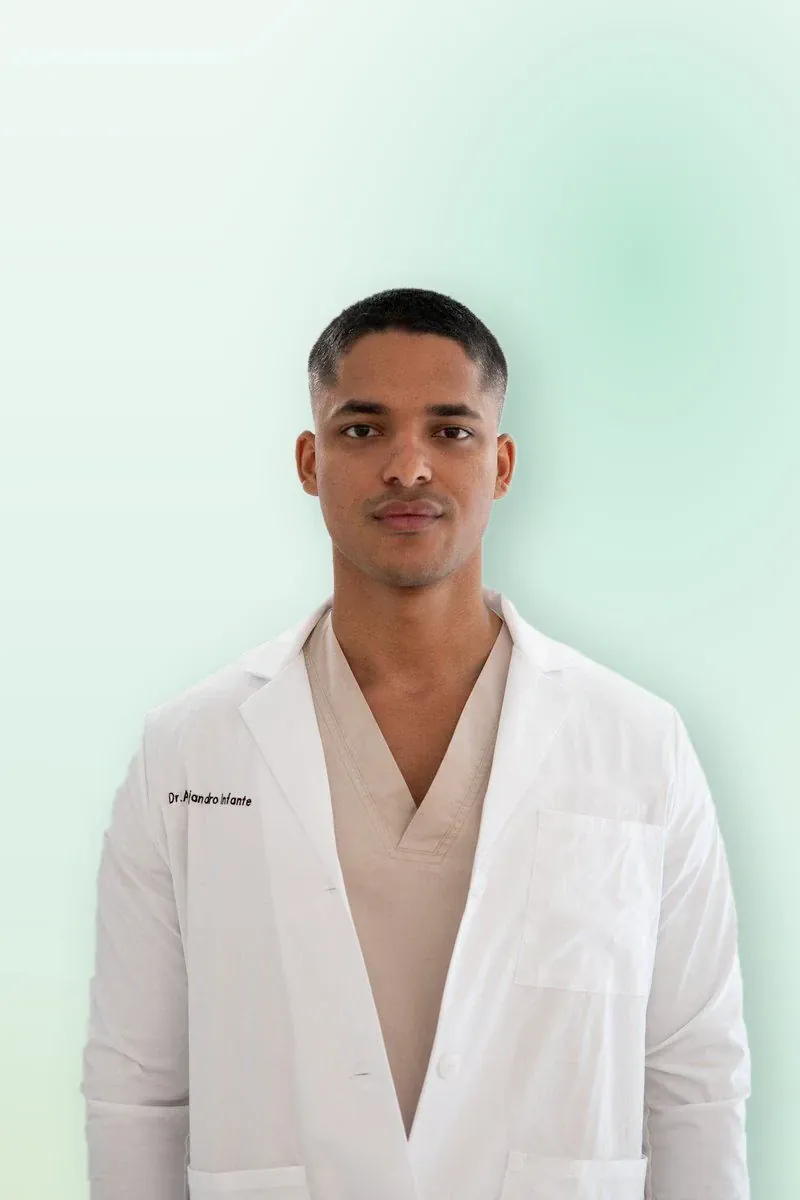
Pay nothing if a doctor doesn't approve your treatment. Every consultation is fully refundable. How refunds work