Chlamydia treatment, without the clinic visit
Answer a short questionnaire and a licensed doctor reviews antibiotic treatment and partner guidance for you. Discreet from start to finish.
- Written consultation, no video call
- Reviewed for safety and interactions
- Full refund if not approved
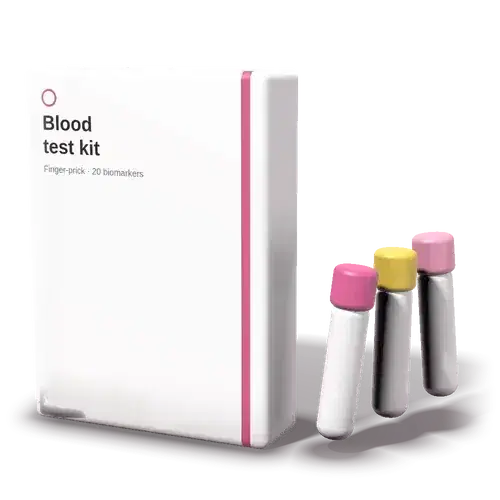
What it is
Chlamydia is a common sexually transmitted infection caused by bacteria. Many people have no symptoms, so it often goes unnoticed.
It is usually cleared with a short course of antibiotics. A doctor can advise on treatment, testing and telling recent partners.
How it works
Answer online
A short questionnaire about your symptoms.
Doctor review
A licensed EU doctor reads your answers and replies in under 2 hours on average.
E-prescription
If treatment is suitable, your prescription is issued electronically and dispensed at any EU pharmacy.
Treatment options
The doctor chooses based on your answers and health. Some options are practical advice, some are prescription medicines.
Antibiotic treatment
A short course of antibiotics, if the doctor finds it suitable for you.
Testing advice
Which test to take, where to take it and when to test again.
Partner guidance
How to tell recent partners so they can be tested and treated too.
One consultation, one clear price
You pay for the doctor's consultation. If a prescription is issued, the medicine is paid at your own pharmacy.
- Consultation reviewed by an EU-licensed doctor
- Private follow-up in the in-app chat
- Full refund if the doctor does not approve
Sexual health

- Consultation reviewed by an EU-licensed doctor
- Electronic prescription if approved
- Private follow-up chat
Full refund if a review is not approved
What to know before your consultation
Chlamydia and its treatment
Chlamydia is a common bacterial sexually transmitted infection that often causes no symptoms. When it does, it can cause unusual discharge, burning when you pee, or pelvic or testicular pain. It is usually cured with a short course of antibiotics: the doctor may consider doxycycline or, when doxycycline is not suitable, azithromycin. Treatment also means telling recent partners so they can be tested and treated, and avoiding sex until everyone has finished treatment.
Who can be treated online
The online pathway is for people with their own positive chlamydia test, or whose sexual partner has tested positive. If you only have symptoms, you are asked to get tested first, because symptoms alone cannot confirm chlamydia. Pregnancy, fever with pelvic or testicular pain, sudden severe testicular pain, rectal pain or bleeding, eye symptoms or joint swelling need in-person care. An allergy to both antibiotic groups also means referral, and the questionnaire tells you before you pay.
Side effects and warning signs
Doxycycline can cause nausea and makes skin redden more easily in the sun, so it is taken with a large glass of water, without lying down straight afterwards, and with sun protection. It is avoided in pregnancy. Azithromycin can cause stomach upset and diarrhoea and, rarely, heart-rhythm changes in people at risk. Untreated chlamydia can spread to the womb and fallopian tubes and cause pelvic inflammatory disease, which can affect fertility. Seek urgent care for fever, severe abdominal or pelvic pain, or sudden testicular pain.
Testing and in-person care
Sexual-health clinics and family doctors can test for chlamydia and other infections and treat you in person, which is the right route for complicated or repeated infections. Condoms lower the risk of chlamydia and other sexually transmitted infections. Regular testing is worth considering if you have new or several partners, since many infections cause no symptoms. If the doctor decides online treatment is not appropriate, they explain why, tell you where to go, and your consultation fee is refunded.
What guidelines recommend
The World Health Organization describes chlamydia as generally curable with antibiotics and notes that most sexually transmitted infections cause no symptoms. The European Centre for Disease Prevention and Control reports that chlamydia is the leading sexually transmitted infection in Europe, and that untreated infection can lead to pelvic inflammatory disease and infertility, even without symptoms. US CDC guidance recommends doxycycline for seven days as the preferred treatment, with azithromycin as an alternative, and European guidance also lists both. Partner notification and retesting are part of these guidelines.
Your chlamydia consultation
You answer a questionnaire about your test result or your partner's, your symptoms, recent sexual contacts, pregnancy, allergies and medicines. An EU-licensed doctor reviews your answers in the private chat, checks for signs of a more serious infection and, if appropriate, prescribes the antibiotic that suits you. You collect and pay for it at a pharmacy of your choice in the EU. The doctor also explains how to tell recent partners and when to test for other infections.
After your treatment
Take the full course, and avoid sex until you and your recent partners have finished treatment and the waiting period your doctor advises has passed. A repeat test about three months later is usually advised, because reinfection is common. Contact your doctor in the chat if symptoms do not settle, you miss doses, or you had sex with an untreated partner. Testing for HIV, syphilis and gonorrhoea is also recommended if you have not had it recently.
Sources
- World Health Organization. Sexually transmitted infections (STIs): fact sheet (2024)
- European Centre for Disease Prevention and Control. Chlamydia infection (2025)
- US Centers for Disease Control and Prevention. Sexually Transmitted Infections Treatment Guidelines: Chlamydial infections (2021)
- International Union against Sexually Transmitted Infections (IUSTI Europe). Lanjouw E et al. 2015 European guideline on the management of Chlamydia trachomatis infections. Int J STD AIDS 2016 (2016)
- AEMPS CIMA (Spanish medicines agency database). Doxycycline 100 mg: package leaflet (national product information) (2025)
- AEMPS CIMA (Spanish medicines agency database). Azithromycin 500 mg: package leaflet (national product information) (2025)
- NHS. Chlamydia (2025)
Sources checked on September 29, 2026
Your questions answered
Can chlamydia be treated online?
Do I need a test first?
Can I get treatment if a partner tested positive?
Which symptoms need in-person care?
What should I know about the antibiotics?
When can I have sex again?
What if my symptoms continue after treatment?
What does it cost?
What if the doctor declines?
Which sexual-health treatments does Hi-Doctor cover?
How much does sexual-health care cost, and when will I hear back?
What treatments are there for erectile dysfunction?
Are PDE5 inhibitors safe?
Are there alternatives if the tablets don't work for me?
How discreet is everything handled?
Can erectile dysfunction indicate another problem?
Saying it is the first step
Answer the questionnaire and a licensed doctor reads it. You pay only if treatment is approved.
Start chlamydia consultationNo charge unless a doctor approves your treatment.
Pay nothing if a doctor doesn't approve your treatment. Every consultation is fully refundable. How refunds work