
Skin, properly diagnosed
Add photos, and an EU-licensed doctor selects the right prescription treatment, or tells you honestly when in-person care is safer.
- No video call
- Full refund if not approved
- Follow-up in the chat
One clear price.
Dermatology
- Consultation reviewed by an EU-licensed doctor
- Photo review of your skin
- Electronic prescription if approved
Full refund if a review is not approved
Treatments a doctor may prescribe

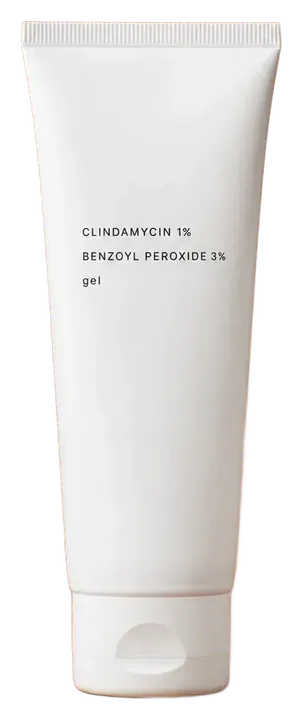

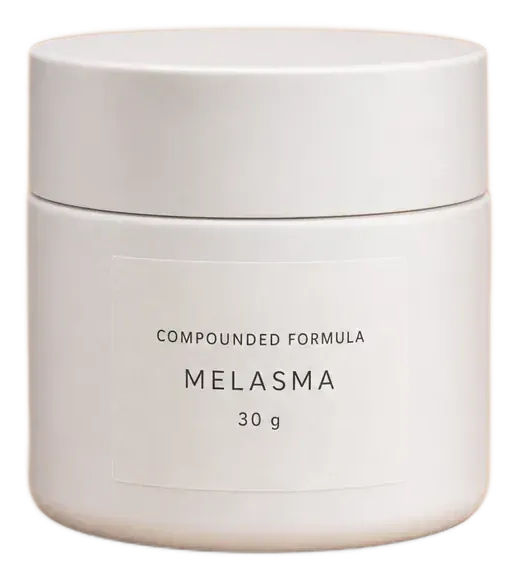
Licensed EU doctors
Every case read by a registered doctor.
Reply in under 2 hours
On average, in writing, no video call.
Pay only if approved
Not approved? Refunded in full, automatically.
Rated excellent on Trustpilot
4.8 from 540+ independent reviews.
Valid across the EU
E-prescription accepted at EU pharmacies.
Doctor-led skin care in three steps
Answer a questionnaire
Specific to your skin: history, triggers and photos.
A doctor reviews your photos
They select a treatment, or ask for more detail in the chat.
Your prescription and plan
How to use it, what to expect and when to check back.

Good photos, better decisions
One clear photo in natural light, without make-up or filters. Your doctor may ask for more views in the chat.
- Natural daylight, facing a window
- No make-up, filters or heavy moisturiser
- The whole affected area in frame
What causes acne, and how it's treated
Most acne responds to the right prescription within 8–12 weeks.
Oil and blocked pores
Hormones increase oil, which mixes with dead skin and blocks pores: blackheads and whiteheads.
Bacteria and inflammation
Bacteria in blocked pores trigger red, inflamed spots. Benzoyl peroxide and topical antibiotics target this.
Renewal
Retinoids like adapalene and tretinoin speed skin renewal so pores stay clear, the backbone of long-term care.
What to know before your consultation
Four skin pathways, one doctor
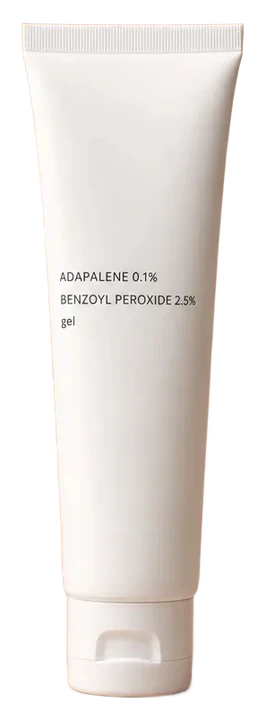
Hi Doctor covers four common skin concerns: mild to moderate acne, rosacea, melasma and signs of sun-related skin ageing. Each pathway has its own questionnaire, and the doctor chooses from a short list of well-studied prescription treatments applied to the skin. For acne these are azelaic acid, adapalene with benzoyl peroxide, or clindamycin with benzoyl peroxide; for rosacea, azelaic acid or a pharmacy-compounded formula; for melasma, hydroquinone or a compounded combination; for skin ageing, tretinoin. Oral antibiotics and isotretinoin are not prescribed online.
Who online skin care suits
The consultation is for adults whose skin concern is clear from a questionnaire and photos, and who have no warning signs. It is not suitable for severe, nodular or scarring acne, rosacea affecting the eyes, a single dark spot that is changing, or any diagnosis the doctor cannot confirm remotely. Most of these treatments are not prescribed during pregnancy, while trying to conceive or while breastfeeding. If your case needs a physical examination, the doctor tells you and points you to in-person care.
Safety points for skin treatments
Treatments applied to the skin mostly cause local effects: dryness, redness, peeling, stinging or burning, usually worst in the first weeks. Several of them make skin more sensitive to the sun, so daily sunscreen is part of the plan. Topical retinoids such as adapalene and tretinoin are contraindicated in pregnancy, and hydroquinone is used only in limited courses because prolonged use can darken the skin. Call 112 for facial or lip swelling or difficulty breathing, and get same-day eye care for a painful red eye or blurred vision.
Other routes to healthier skin
Good daily habits help every skin concern: a gentle, non-comedogenic cleanser and moisturiser, daily broad-spectrum sunscreen, and avoiding known triggers. Some people need treatments that are not offered online, such as oral medicines, peels, laser or specialist follow-up, and these are arranged through your family doctor or an in-person dermatologist. If the doctor decides a prescription is not appropriate, they explain why and what to do next, and the consultation fee is refunded in full.
What guidelines and trials show
The options offered follow European and national guidance. NICE lists fixed combinations of benzoyl peroxide with adapalene or with clindamycin as first-line 12-week options for acne, and the European EuroGuiDerm acne guideline also includes azelaic acid for mild to moderate acne. The global rosacea consensus recommends treating each visible feature, and a systematic review rated the evidence for azelaic acid in papules and pustules as high certainty. For melasma, expert consensus puts depigmenting treatment applied to the skin first, and a two-year controlled trial found tretinoin 0.05% cream improved sun-damaged facial skin more than placebo.
How a skin consultation works
You choose your skin concern and answer a questionnaire written for it, covering your history, triggers, allergies, current products and pregnancy. Photos in daylight without make-up are required for rosacea and melasma and recommended for acne and skin ageing. An EU-licensed doctor reviews everything and writes to you in the private chat in your account if anything needs clarifying. If treatment is appropriate, you receive an electronic prescription valid at pharmacies across the EU, and you collect and pay for the medicine at your own pharmacy.
Reviews, renewals and stopping
Skin treatments work slowly, so your plan sets a review point, and nothing renews automatically. At the end of a course you start a follow-up consultation with new photos, and the doctor decides whether to continue, adjust, pause or stop. Acne and rosacea often need maintenance, melasma tends to return with sun exposure, and the effect of tretinoin fades when it is stopped. Write to the doctor in the chat at any time if irritation does not settle, your skin gets worse or you become pregnant.
Sources
- electronic medicines compendium (emc), regulator-approved SmPC. Finacea 15% gel (azelaic acid): Summary of Product Characteristics (2024)
- electronic medicines compendium (emc), regulator-approved SmPC. Epiduo 0.1%/2.5% gel: Summary of Product Characteristics (2024)
- electronic medicines compendium (emc), regulator-approved SmPC. Duac Once Daily 10 mg/g + 50 mg/g gel: Summary of Product Characteristics (2024)
- National medicines regulator product information database (CIMA). HQUIN 40 mg/g crema (hydroquinone 4%): ficha técnica (SmPC) (2024)
- National medicines regulator product information database (CIMA). Retirides 0.5 mg/g crema (tretinoin 0.05%): ficha técnica (SmPC) (2024)
- National Institute for Health and Care Excellence (NICE). Acne vulgaris: management (NG198) (2021)
- NHS (nhs.uk). Rosacea (2026)
- European Commission. 112, the EU's emergency phone number (2026)
- European Dermatology Forum / J Eur Acad Dermatol Venereol (PubMed 27514932). European evidence-based (S3) guideline for the treatment of acne, update 2016, short version (Nast A et al., J Eur Acad Dermatol Venereol 2016;30(8):1261-1268) (2016)
- European Dermatology Forum / J Eur Acad Dermatol Venereol (PubMed 41847993). Update of the EuroGuiDerm evidence-based guideline for the treatment of acne: short version (Nast A et al., J Eur Acad Dermatol Venereol 2026;40(7):1162-1172) (2026)
- British Journal of Dermatology (PubMed 31392722). Recommendations for rosacea diagnosis, classification and management: update from the global ROSacea COnsensus 2019 panel (Schaller M et al., Br J Dermatol 2020;182(5):1269-1276) (2020)
- British Journal of Dermatology (PubMed 30585305). Interventions for rosacea based on the phenotype approach: updated systematic review including GRADE assessments (van Zuuren EJ et al., Br J Dermatol 2019) (2019)
- Journal of the American Academy of Dermatology (PubMed 16631968). Treatment of melasma: Pigmentary Disorders Academy consensus (Rendon M et al., J Am Acad Dermatol 2006;54(5 Suppl 2):S272-281) (2006)
- American Journal of Clinical Dermatology (PubMed 16060712). Long-term efficacy and safety of tretinoin emollient cream 0.05% in photodamaged facial skin: a two-year randomised placebo-controlled trial (Kang S et al., Am J Clin Dermatol 2005;6(4):245-253) (2005)
Sources checked on September 29, 2026
Your questions answered
Which skin conditions can you treat online?
Do I need photos?
What if my case needs in-person care?
Can I use it while pregnant or breastfeeding?
How does the online skin consultation work?
What side effects can skin treatments cause?
Are there alternatives to a prescription?
How soon will my skin improve?
What happens when my course ends?
Real people, clearer skin
Excellent service, I even requested an extension and they kindly agreed and sent a new prescription with no charge at all. That was definitely a highlight, great customer service! Totally recommended.
The care was fast, the doctor answered all my questions and the prescription was practical and quick for collecting the product; the treatment follow-up is also being very effective and attentive.
So far, everything has gone really smoothly. The process was easy, responses were quick and I had no problems getting my prescription. Happy with the service!
Skin: what you need to know

Tretinoin: your first 12 weeks
Purging, dryness and when results show.
Read more
Azelaic acid for acne and rosacea
A gentle all-rounder, explained by a doctor.
Read more
How to take a good skin photo
Light, angle and focus, so your doctor sees what matters.
Read more
Melasma: why it comes back
Sun, hormones and a maintenance plan that works.
Read moreReferences
- Zaenglein AL et al. Guidelines of care for the management of acne vulgaris. J Am Acad Dermatol 2016;74:945–973.
- Nast A et al. European evidence-based (S3) guideline for the treatment of acne – update 2016. J Eur Acad Dermatol Venereol 2016;30:1261–1268.
Refund terms
Full refund if not approved
One-off, photo review included
Medicine
When you get the refund
What the refund covers
How to ask for a refund
Full refund policy and terms
Nothing to cancel
Healthy skin starts with a real diagnosis
You pay only if treatment is approved.
Choose your skin concernNo charge unless a doctor approves your treatment.
Pay nothing if a doctor doesn't approve your treatment. Every consultation is fully refundable. How refunds work