Finasteride in Riga, online
An EU-licensed doctor reviews your case and, if eligible, issues an electronic prescription you can collect at a pharmacy in Riga.
Consultation price. The medicine is paid at your pharmacy.
- Prescription only, if a doctor approves
- Doctor-reviewed renewals
- Full refund if not approved
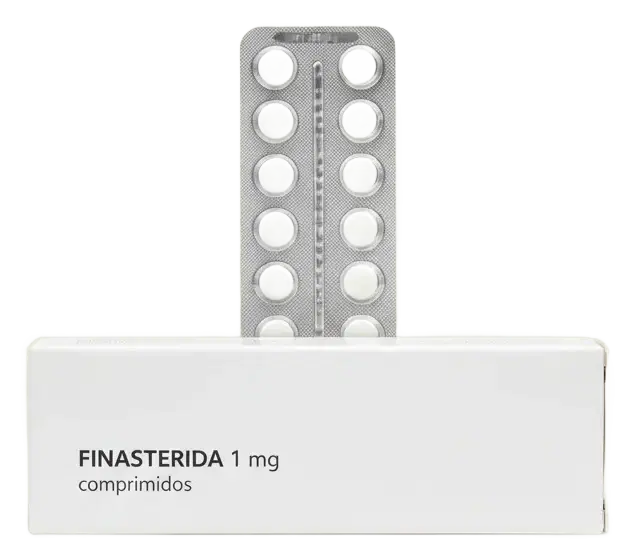
Licensed EU doctors
Every case read by a registered doctor.
Reply in under 2 hours
On average, in writing, no video call.
Pay only if approved
Not approved? Refunded in full, automatically.
Rated excellent on Trustpilot
4.8 from 540+ independent reviews.
Valid across the EU
E-prescription accepted at EU pharmacies.
Finasteride consultations in Riga
What it is and how it works
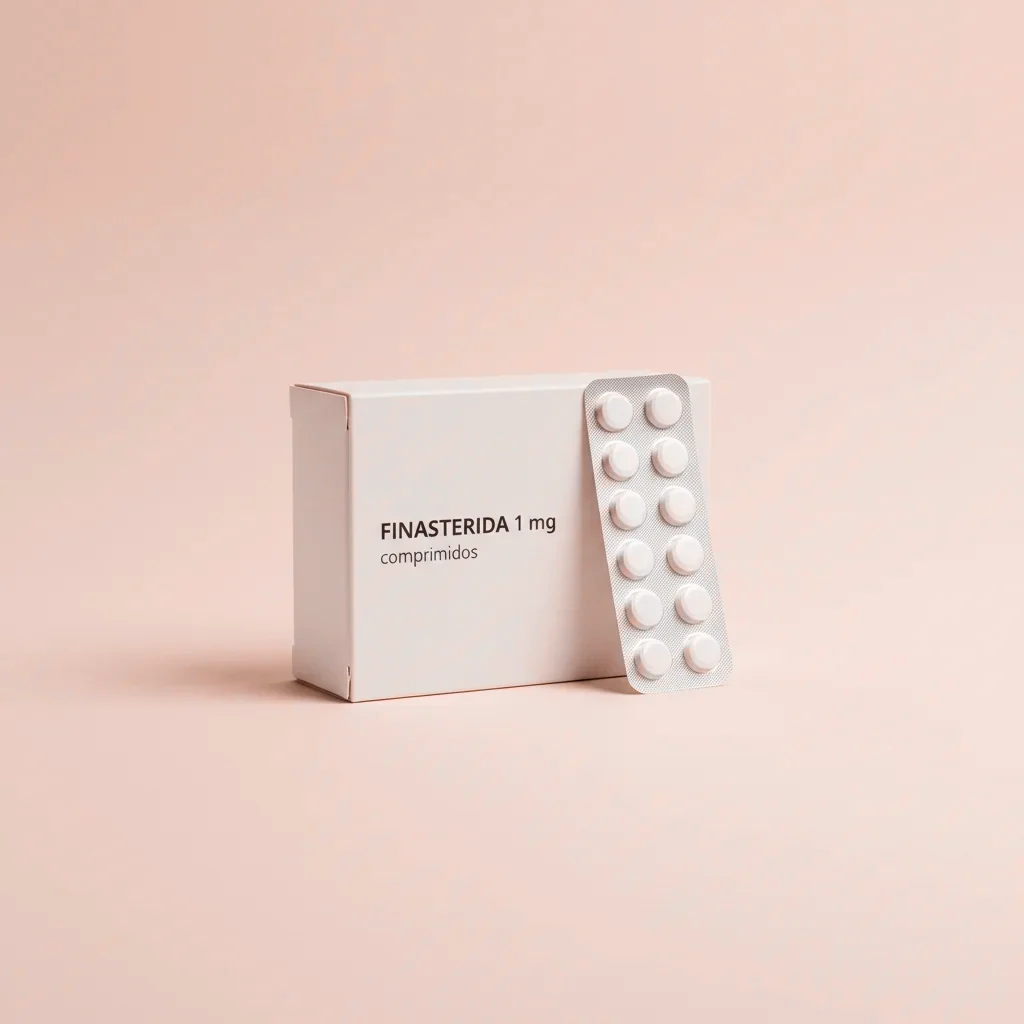
Finasteride lowers the hormone DHT, which shrinks hair follicles in male pattern hair loss. It is taken as one tablet a day.
It works best when started early and taken consistently. The doctor explains what to expect in your chat.
Who it is for
- Men over 18 with male pattern hair loss
- Hair loss at the hairline or crown
Safety summary
Not for women who are or may become pregnant. Side effects are uncommon but possible.
Read the safety summaryOne consultation, one clear price
You pay for the doctor's consultation. If a prescription is issued, the medicine is paid at your own pharmacy.
- Consultation reviewed by an EU-licensed doctor
- Private follow-up in the in-app chat
- Full refund if the doctor does not approve
Hair growth
- First consultation included
- Renewals reviewed by your doctor
- Ongoing care in your private chat
- Cancel anytime
Full refund if a review is not approved
Your questions answered
What is finasteride and how does it treat hair loss?
When do results become visible?
More questions
What adverse effects are possible?
Is it combined with minoxidil?
Does finasteride cause permanent sexual side effects?
Will finasteride affect my PSA test for prostate cancer?
What happens to my hair if I stop taking finasteride?
What should I do if I get side effects on Finasteride?
Can I use Finasteride with my other medicines?
What are the alternatives if Finasteride is not right for me?
How does follow-up work while I use Finasteride?
Can I get a consultation for Finasteride from Riga?
How does a doctor evaluate a hair-loss case in an online consultation?
What is the private electronic prescription and why is it valid across the EU?
How does Hi-Doctor work step by step?
How much does it cost and what does the price include?
How your doctor decides
Your answers
A licensed doctor reads your full questionnaire.
Medical judgement
The decision is clinical, never an algorithm.
Clear outcome
Approved with an e-prescription, or refunded in full.
Related medicines
Medicine information and safety
How does Finasteride work?
DHT shrinks the hair follicle. Male pattern hair loss is driven by dihydrotestosterone, or DHT, a hormone the body makes from testosterone. A balding scalp contains miniaturised follicles and higher amounts of DHT, so each growth cycle produces a thinner, shorter hair until visible growth stops.
Finasteride blocks the converting enzyme. Finasteride is a 4-azasteroid that inhibits type II 5-alpha-reductase, the enzyme found in hair follicles that converts testosterone into DHT. The Spanish regulator's product file records that it is about 100 times more selective for the type II enzyme than for type I.
Scalp DHT falls, follicles recover. With the enzyme blocked, DHT concentrations fall in both blood and scalp tissue. That removes the signal driving miniaturisation, so some affected follicles go back to producing thicker hairs. The effect depends on continued dosing, and stopping returns the scalp to its untreated state within nine to twelve months.
How to use Finasteride
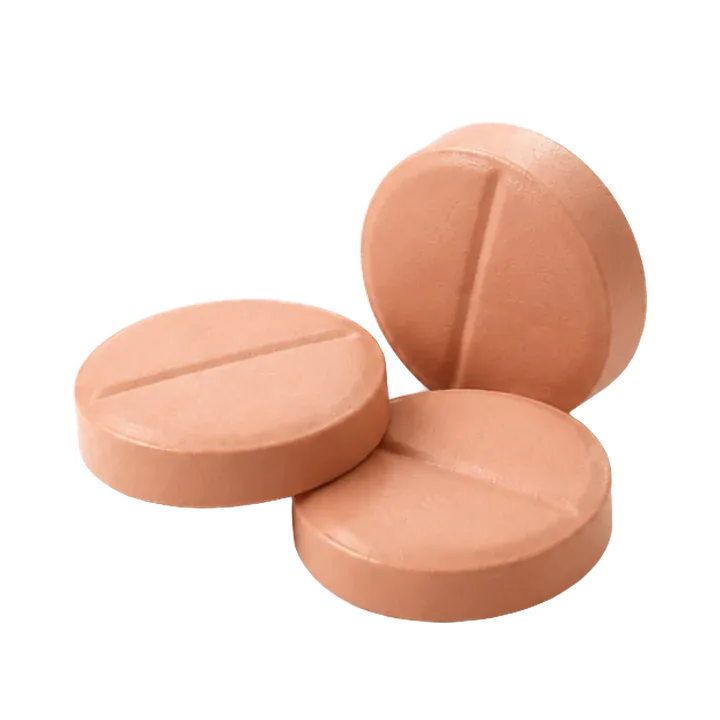
Take one tablet a day. Swallow one 1 mg tablet once daily, with or without food. The product file states there is no evidence that a higher dose improves results, so never take more than one tablet in a day.
Anchor it to a routine. NHS guidance is that the time of day does not matter, as long as it is roughly the same time each day. Attaching the tablet to something you already do daily makes a long course easier to keep up.
Swallow whole, never crush. Swallow tablets whole with water and do not break or crush them. The film coating exists specifically to stop anyone handling the tablet from touching the active ingredient during normal use.
Keep broken tablets from pregnancy. A woman who is pregnant or might become pregnant must not handle crushed or broken tablets, because absorbed finasteride can affect the external genitals of a male foetus. If contact happens, speak to a doctor.
Missed a dose? Skip it. NHS advice is to take a missed dose if fewer than six hours have passed, and otherwise to skip it and take the next one at the usual time. Never take two tablets to catch up.
Allow three to six months. The product file states that three to six months of daily treatment are generally needed before stabilisation of hair loss can be expected. Judging the medicine before then gives a misleading picture of whether it works.
Flag it before a PSA test. Finasteride lowers prostate-specific antigen. The product file instructs doctors to consider doubling the measured PSA value before interpreting it, so tell whoever orders the test that you take finasteride.
Do not donate blood. UK donor selection guidelines defer blood donation until four weeks after the last dose. The reason is to make sure a pregnant transfusion recipient is never exposed to finasteride through donated blood.
Common side effects
Stop and get urgent medical help if (seek medical help immediately): Suicidal thoughts of any kind: stop the tablets and get help now, Depression or a persistently low mood: stop taking it and call your doctor, Swelling of the lips, face, tongue or throat, or difficulty breathing, Lumps, pain, swelling or nipple discharge anywhere in the chest area, Rash that is raised, itchy, blistered or peeling, or hives, Confusion, drowsiness, dizziness or loss of consciousness after a dose
Uncommon (uncommon (≥1/1,000 to <1/100)): Less interest in sex, reported by 1.8% against 1.3% on placebo, Difficulty getting or keeping an erection, 1.3% against 0.7% on placebo, Reduced volume of semen, reported by 0.8% against 0.4% on placebo, Other disorders of ejaculation, Depressed mood or depression, Any sexual side effect: 3.8% in year one, falling to 0.6% later
Reported since launch, frequency unknown (not known (frequency cannot be estimated from the available data)): Breast tenderness or breast enlargement, Breast cancer in men, Testicular pain, Blood in the semen, Palpitations, a noticeable heartbeat, Raised liver enzymes on a blood test, Anxiety, and suicidal ideation, Male infertility or poor semen quality, Sexual dysfunction that persists after treatment is stopped, Allergic reactions including rash, itching, hives and swelling
Do not use Finasteride if
- You are a woman: finasteride is contraindicated in women and did not work for hair loss in female trials.
- You are pregnant or could become pregnant, because finasteride can affect the external genitals of a male foetus.
- You are under 18: there are no data demonstrating efficacy or safety in children or adolescents.
- You are allergic to finasteride or to any other ingredient in the tablet.
- You already take finasteride 5 mg or dutasteride for an enlarged prostate: these must not be combined.
- You have inherited galactose intolerance, total lactase deficiency or glucose-galactose malabsorption, because the tablets contain lactose.
- You have a history of depression or suicidal thoughts and have not disclosed it: regulators advise reviewing this before prescribing.
- You have a PSA test or prostate assessment planned and have not told the clinician you take finasteride.
- You have liver problems: the effect of hepatic impairment on finasteride has not been studied.
- You are about to donate blood, which UK guidelines defer until four weeks after the last dose.
Medicines and substances that interact
- Finasteride 5 mg (for enlarged prostate): Same active ingredient at five times the dose, with no extra hair benefit. Only one is prescribed. The prescriber will not combine them.
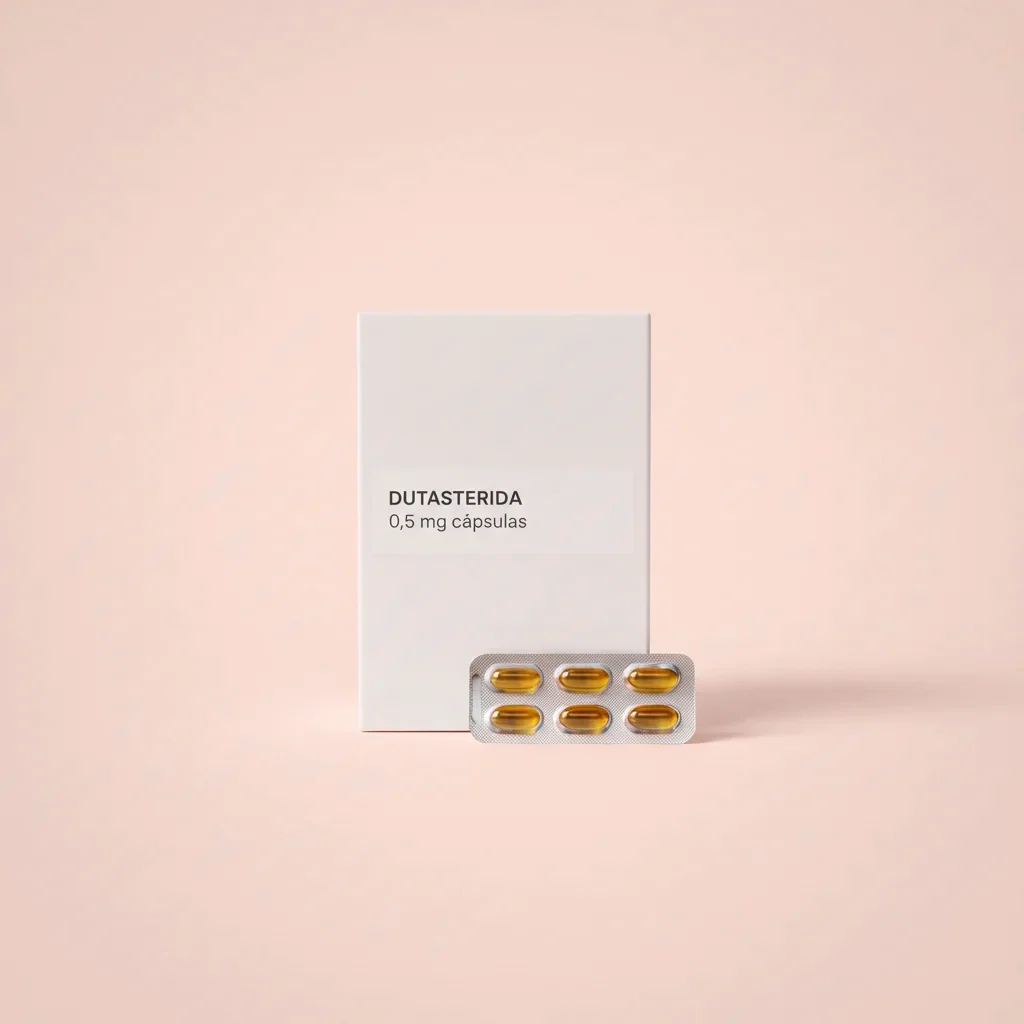
- Dutasteride: Another 5-alpha-reductase inhibitor, so the two act on the same pathway. The prescriber avoids combining them and selects one.
- Strong CYP3A4 inhibitors (e.g. ketoconazole, ritonavir): May raise finasteride blood levels, which the product file judges unlikely to matter clinically. Noted in the record. A dose change is not normally needed.
- Strong CYP3A4 inducers (e.g. rifampicin, carbamazepine): May lower finasteride blood levels through the same enzyme system. The prescriber reviews the response rather than altering the dose.
- Topical minoxidil: The leaflet states no information is available on using the two together. The prescriber decides case by case and records the reasoning.
- PSA blood test (not a medicine): Finasteride lowers the PSA reading, which can mask a genuinely raised result. The prescriber flags current finasteride use on the test request.
- Blood or plasma donation: Donated blood could expose a pregnant transfusion recipient to finasteride. UK guidance defers donation until four weeks after the last dose.
References
- Propecia 1 mg Film-Coated Tablets: Summary of Product Characteristics electronic Medicines Compendium (emc), 2025
- Propecia 1 mg Film-Coated Tablets: Package Leaflet, Information for the user electronic Medicines Compendium (emc), 2025
- Ficha Técnica: finasterida cinfa 1 mg comprimidos recubiertos con película EFG AEMPS CIMA (Spanish Agency for Medicines and Medical Devices), 2025
- Finasteride 1 mg film-coated tablets: Summary of Product Characteristics electronic Medicines Compendium (emc), 2025
- Finasteride 1 mg tablets: Summary of Product Characteristics (PSA and prostate cancer sections) electronic Medicines Compendium (emc), 2025
- Finasteride in the treatment of men with androgenetic alopecia (Finasteride Male Pattern Hair Loss Study Group) Journal of the American Academy of Dermatology, via PubMed, 1998
- Long-term (5-year) multinational experience with finasteride 1 mg in the treatment of men with androgenetic alopecia European Journal of Dermatology, via PubMed, 2002
- Measures to minimise risk of suicidal thoughts with finasteride and dutasteride medicines European Medicines Agency, 2025
- Finasteride- and dutasteride-containing medicinal products: Article 31 referral European Medicines Agency, 2025
- Finasteride and dutasteride: updated safety warnings for psychiatric side effects and sexual dysfunction MHRA Drug Safety Update, 2025
- Side effects of finasteride NHS, 2025
- How and when to take finasteride NHS, 2025
- Fertility and pregnancy while taking finasteride NHS, 2025
- Common questions about finasteride NHS, 2025
- Avodart 0.5 mg soft capsules (dutasteride): Summary of Product Characteristics electronic Medicines Compendium (emc), 2025
- Regaine for Men Extra Strength Scalp Solution 5% w/v (minoxidil): Summary of Product Characteristics electronic Medicines Compendium (emc), 2025
- Do my medicines mean I can't give blood? (citing the UK Whole Blood and Component Donor Selection Guidelines) The Pharmaceutical Journal, Royal Pharmaceutical Society, 2013
Also available in
- Sevilla
- Málaga
- Córdoba
- Granada
- Jerez de la Frontera
- Almería
- Huelva
- Cádiz
- Jaén
- Marbella
- Zaragoza
- Huesca
- Teruel
- Oviedo
- Gijón
- Avilés
- Palma de Mallorca
- Ibiza
- Mahón
- Las Palmas de Gran Canaria
- Santa Cruz de Tenerife
- San Cristóbal de La Laguna
- Telde
- Arona
- Santander
- Toledo
- Valladolid
- Barcelona
- Valencia
- Alicante
- Mérida
- Vigo
- Santiago de Compostela
- Logroño
- Madrid
- Murcia
- Pamplona
- Bilbao
- Vitoria-Gasteiz
- San Sebastián
- Berlin
- Hamburg
- Munich
- Cologne
- Frankfurt
- Stuttgart
- Düsseldorf
- Leipzig
- Dortmund
- Essen
- Paris
- Marseille
- Lyon
- Toulouse
- Nice
- Nantes
- Montpellier
- Strasbourg
- Bordeaux
- Lille
- Rome
- Milan
- Naples
- Turin
- Palermo
- Genoa
- Bologna
- Florence
- Bari
- Catania
- Warsaw
- Krakow
- Łódź
- Wroclaw
- Poznań
- Gdansk
- Szczecin
- Bydgoszcz
- Amsterdam
- Rotterdam
- The Hague
- Utrecht
- Eindhoven
- Groningen
- Tilburg
- Almere
- Brussels
- Antwerp
- Ghent
- Charleroi
- Liège
- Bruges
- Namur
- Lisbon
- Porto
- Vila Nova de Gaia
- Amadora
- Braga
- Coimbra
- Bucharest
- Cluj-Napoca
- Iași
- Timișoara
- Constanta
- Craiova
- Athens
- Thessaloniki
- Patras
- Piraeus
- Prague
- Brno
- Ostrava
- Pilsen
- Budapest
- Debrecen
- Szeged
- Miskolc
- Vienna
- Graz
- Linz
- Salzburg
- Stockholm
- Gothenburg
- Malmö
- Uppsala
- Västerås
- Helsinki
- Espoo
- Tampere
- Vantaa
- Copenhagen
- Aarhus
- Odense
- Aalborg
- Dublin
- Cork
- Limerick
- Galway
- Sofia
- Plovdiv
- Varna
- Burgas
- Bratislava
- Košice
- Prešov
- Žilina
- Zagreb
- Split
- Rijeka
- Osijek
- Vilnius
- Kaunas
- Klaipėda
- Šiauliai
- Panevėžys
- Ljubljana
- Maribor
- Celje
- Riga
- Daugavpils
- Liepāja
- Jelgava
- Tallinn
- Tartu
- Narva
- Nicosia
- Limassol
- Larnaca
- Paphos
- Luxembourg City
- Esch-sur-Alzette
- Valletta
- Birkirkara
- Qormi
- Mosta
- Spain
- France
- Germany
- Italy
- Portugal
- Netherlands
- Belgium
- Ireland
- Poland
- Czechia
- Slovakia
- Hungary
- Romania
- Bulgaria
- Greece
- Cyprus
- Croatia
- Slovenia
- Austria
- Denmark
- Sweden
- Finland
- Estonia
- Latvia
- Lithuania
- Luxembourg
- Malta

Also available in
Keep the hair you've got
A doctor replies in under 2 hours on average.
Start consultationNo charge unless a doctor approves your treatment.
Pay nothing if a doctor doesn't approve your treatment. Every consultation is fully refundable. How refunds work