Safety information · Internal patient-safety page
Semaglutide safety summary
Semaglutide is a GLP-1 receptor agonist that works in the brain's appetite centres and slows stomach emptying, so you feel fuller for longer and eat less. It is prescribed for chronic weight management alongside a reduced-calorie diet and increased physical activity.
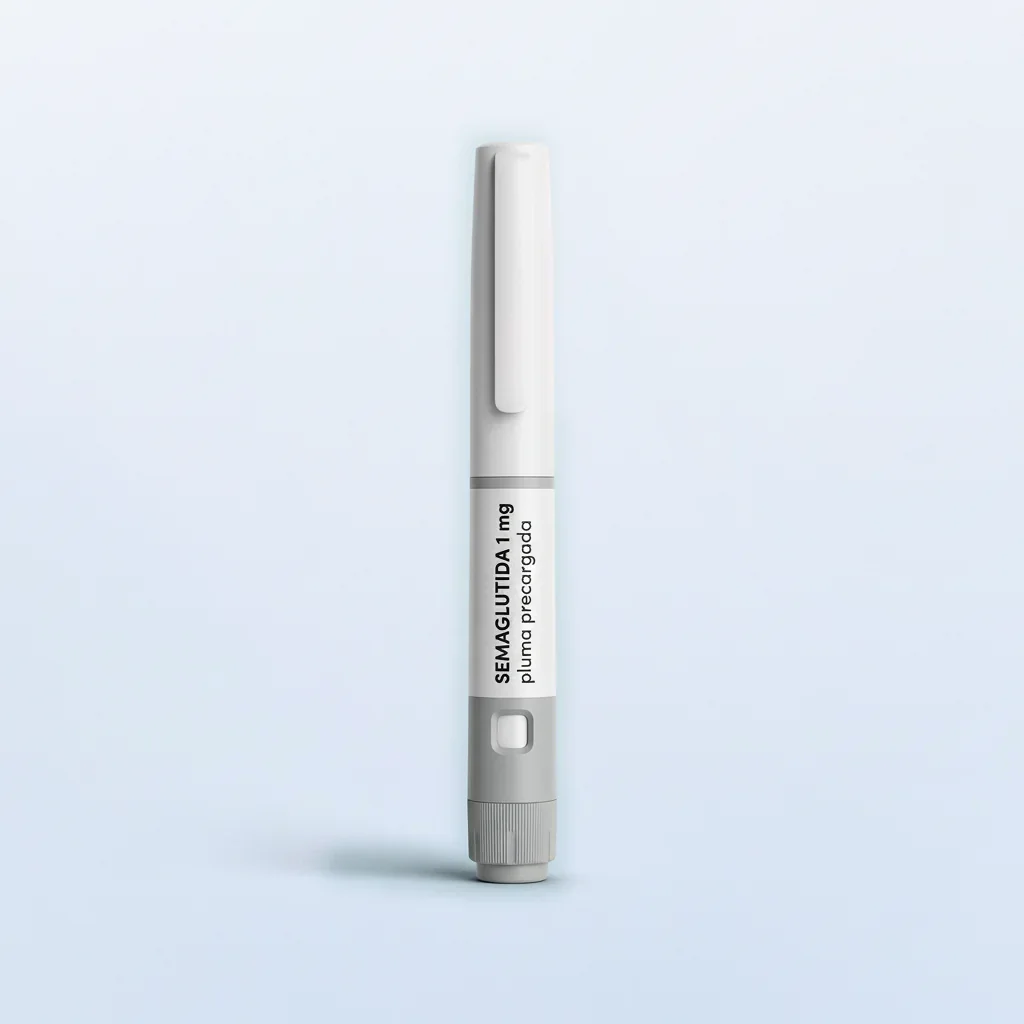
What it's used for
- Once-weekly self-injection in the thigh, abdomen or upper arm.
- Dose is escalated gradually (0.25 mg → 0.5 → 1.0 → 1.7 → 2.4 mg) over 16 weeks to limit gastrointestinal side effects.
- Combined with diet and physical activity, semaglutide is not a substitute for lifestyle change.
Most common side effects
- Nausea, vomiting and diarrhoea.
- Constipation, abdominal pain, bloating, reflux.
- Headache and fatigue.
- Hypoglycaemia (low blood sugar) when used alongside insulin or sulfonylureas, not a typical risk on semaglutide alone.
- Injection-site reactions (redness, mild swelling).
Serious side effects: stop and seek care
- Severe abdominal pain radiating to the back (possible pancreatitis): stop the medicine and seek urgent care.
- Gallbladder problems: sudden right-upper abdominal pain, jaundice, fever.
- Sudden vision changes in patients with type 2 diabetic retinopathy: see an ophthalmologist promptly.
- Signs of severe dehydration from prolonged vomiting / diarrhoea: risk of acute kidney injury.
- Severe allergic reaction (rash, swelling, breathlessness).
Who should not take it
- Personal or family history of medullary thyroid carcinoma or multiple endocrine neoplasia type 2 (MEN 2).
- Pregnancy, planned pregnancy in the next 2 months, or breastfeeding.
- History of pancreatitis or active pancreatic disease.
- Type 1 diabetes or diabetic ketoacidosis: semaglutide is not approved here.
- Severe gastroparesis or chronic severe gastrointestinal disease.
Interactions to flag
- Insulin or sulfonylureas: risk of hypoglycaemia; the doctor may lower the dose of those.
- Oral medicines with a narrow absorption window (e.g. levothyroxine, some oral contraceptives): semaglutide slows gastric emptying so timing may need adjusting.
- Warfarin or other vitamin-K antagonists: INR monitoring may be tightened in the first weeks.
- Alcohol: heavy use raises pancreatitis risk.
Message us in the app chat if you notice any of these
- Severe or persistent vomiting, dehydration, or inability to eat for more than 48h.
- New, severe abdominal pain that doesn't ease: A&E first.
- Pregnancy or a positive pregnancy test: stop the medicine immediately.
- A new medication or condition since your last consultation.
EMA: Wegovy product information
Back to your consultationThis page summarises information from the regulator-approved leaflet for reference only. It is not medical advice and does not replace the assessment of an EU-licensed doctor. Your doctor will review your individual history, dose and interactions during your consultation.