Safety information · Internal patient-safety page
Nitrofurantoin safety summary
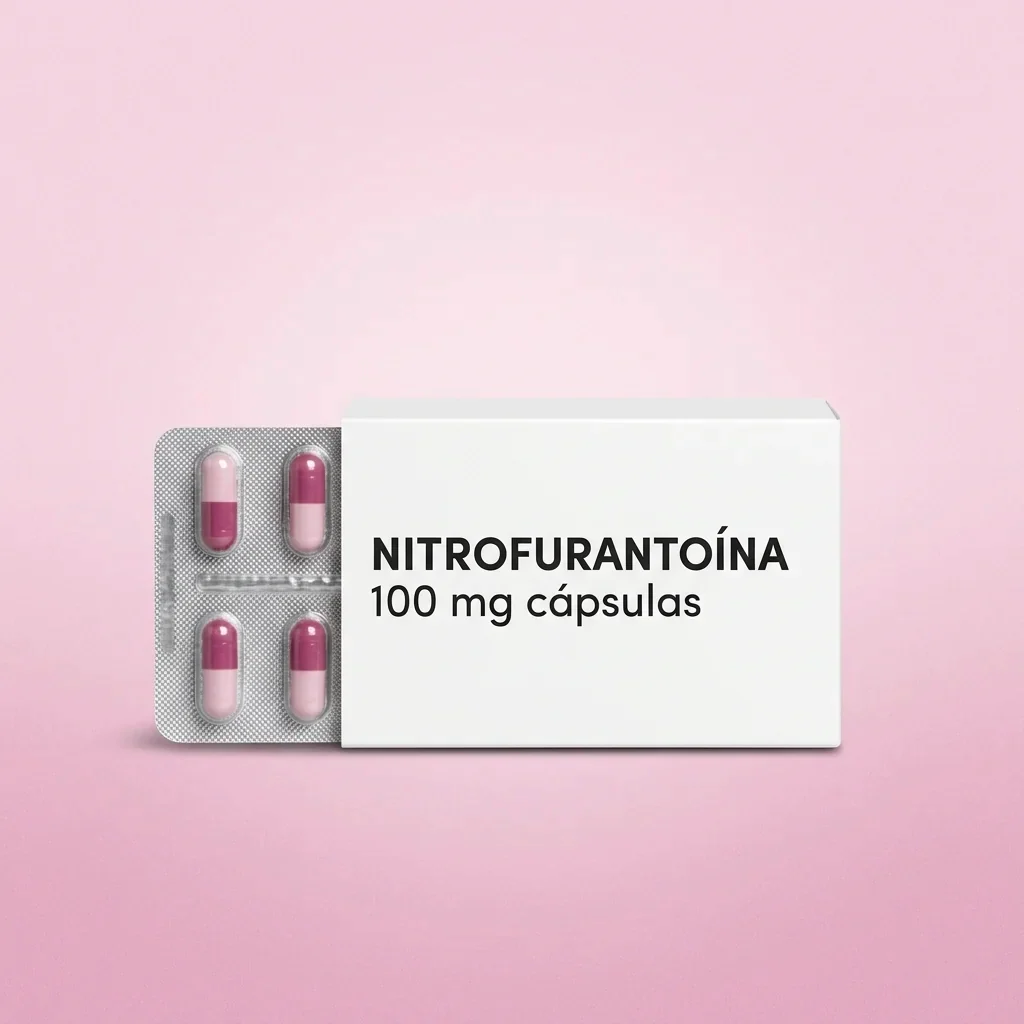
Nitrofurantoin concentrates in the urine, so it treats bladder infections while barely touching the rest of the body. Short courses are usually well tolerated, but acute lung and liver reactions can occur even within the first days. Chronic lung scarring and nerve damage are mainly long-term-use risks. It also needs reasonably working kidneys to reach the bladder at all.
What it's used for
- Take with food or milk: better absorbed and gentler on the stomach.
- Complete the full course even if symptoms settle after a day or two.
- Your urine may turn dark yellow or brown: harmless, and it disappears after the course.
- Not suitable for kidney infections. It doesn't reach the kidney tissue in useful amounts.
Most common side effects
- Nausea and loss of appetite.
- Headache.
- Dizziness or drowsiness.
- Dark yellow or brown urine (harmless).
Serious side effects: stop and seek care
- Fever, new cough or breathlessness: an acute lung reaction that can develop within the first days, even on a short course; stop the medicine and contact a doctor the same day. Long-term use can additionally cause chronic lung scarring.
- Yellowing of the skin or eyes, dark urine with pale stools (liver inflammation). This too can occur during a short course; stop and seek care.
- Tingling or numbness in hands or feet (nerve damage, mainly with long-term use or poor kidney function).
- Unusual paleness, fatigue and dark urine in people with G6PD deficiency, a sign of red-blood-cell breakdown.
- Severe allergic or skin reactions.
Who should not take it
- Significantly reduced kidney function: the medicine can't concentrate in the urine and toxicity rises.
- G6PD (glucose-6-phosphate dehydrogenase) deficiency.
- Pregnancy at term (from week 38) and during labour.
- Infants under 3 months.
- Anyone who has previously had a lung, liver or nerve reaction to nitrofurantoin.
Interactions to flag
- Antacids containing magnesium trisilicate reduce absorption: avoid taking together.
- Probenecid and sulfinpyrazone (gout medicines) reduce the amount reaching the urine.
- Quinolone antibiotics: the combination can be antagonistic; don't combine.
Message us in the app chat if you notice any of these
- Breathlessness, a new cough or unexplained fever: stop the medicine and contact us the same day.
- Tingling or numbness in your hands or feet.
- Yellowing skin or eyes.
- Fever with back or side pain, or no improvement after 3 days.
AEMPS CIMA: Nitrofurantoin 50 mg
Back to your consultationThis page summarises information from the regulator-approved leaflet for reference only. It is not medical advice and does not replace the assessment of an EU-licensed doctor. Your doctor will review your individual history, dose and interactions during your consultation.