Safety information · Internal patient-safety page
Dapoxetine safety summary
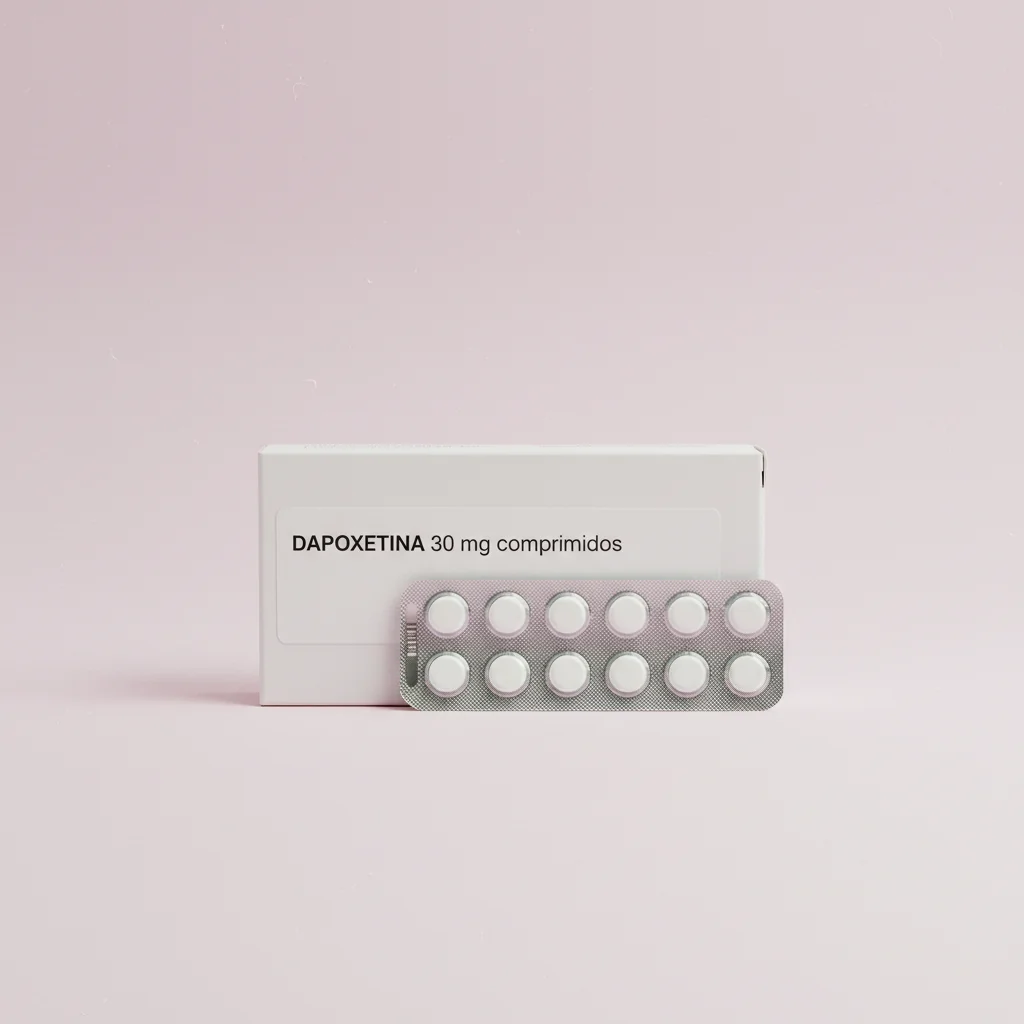
Dapoxetine is a short-acting serotonin reuptake inhibitor taken on demand to lengthen the time to ejaculation. It is not an antidepressant course, it is not taken every day, and it does not treat erectile dysfunction.
What it's used for
- The starting dose is 30 mg on demand; treatment is never started at 60 mg.
- Never take more than one dose in any 24-hour period, and only when you plan to have sex.
- Swallow the tablet whole with at least a full glass of water. This lowers the risk of fainting.
- Your doctor reassesses whether to continue after the first four weeks or six doses, and at least every six months.
Most common side effects
- Nausea: the most common effect (about 11% at 30 mg and 22% at 60 mg).
- Dizziness and headache.
- Diarrhoea and difficulty sleeping.
- Tiredness, sweating, flushing and blurred vision.
- Anxiety, restlessness, agitation and unusual dreams.
Serious side effects: stop and seek care
- Fainting (syncope), usually within three hours of a dose and often after the first dose.
- Warning signs before fainting: nausea, dizziness on standing, light-headedness, palpitations, sweating or confusion. Lie down at once with your head lower than the rest of your body.
- A slow heartbeat, or a pause in the heartbeat, associated with fainting.
- New or worsening low mood, agitation, or thoughts of harming yourself.
- Severe allergic reaction (rash, swelling of the face or throat, difficulty breathing).
- A seizure, or a faint that causes a fall or head injury: call emergency services.
Who should not take it
- Any history of fainting.
- Significant heart disease: heart failure (NYHA II–IV), conduction disorders such as AV block or sick sinus syndrome, ischaemic heart disease or significant valve disease.
- A history of mania or severe depression.
- Moderate or severe liver impairment.
- Treatment with a MAO inhibitor or with thioridazine, now or in the last 14 days.
- Treatment with any other serotonergic medicine such as SSRIs, SNRIs, tricyclics, tramadol, triptans, linezolid, lithium, tryptophan or St John's wort, now or in the last 14 days.
- Treatment with a strong CYP3A4 inhibitor such as ketoconazole, itraconazole, ritonavir, saquinavir, telithromycin, nefazodone, nelfinavir or atazanavir.
- Hypersensitivity to dapoxetine or to any of the tablet's ingredients.
Interactions to flag
- After stopping dapoxetine, wait 7 days before starting a MAO inhibitor, thioridazine or any other serotonergic medicine.
- Alcohol adds to dizziness, drowsiness and slowed reactions and raises the risk of fainting and injury. Avoid it while you are taking dapoxetine.
- Recreational drugs, especially those with serotonergic effects, can cause serious and sometimes fatal reactions.
- PDE5 inhibitors for erectile dysfunction (sildenafil, tadalafil, vardenafil) can lower blood pressure further; the combination is not advised without medical guidance.
- Moderate CYP3A4 inhibitors (erythromycin, clarithromycin, fluconazole, verapamil, diltiazem, amprenavir, fosamprenavir, aprepitant): the dose must not exceed 30 mg.
- Medicines that lower blood pressure, including alpha-blockers and nitrates, increase the risk of dizziness on standing.
Message us in the app chat if you notice any of these
- Dizziness on standing, or any episode where you felt close to fainting.
- Nausea or headache that does not settle, or that stops you taking the medicine as prescribed.
- Any change in mood or sleep, or thoughts of self-harm: contact us the same day.
- A new medication, supplement or recreational substance started since your consultation.
AEMPS CIMA: Dapoxetine 30 mg
Back to your consultationThis page summarises information from the regulator-approved leaflet for reference only. It is not medical advice and does not replace the assessment of an EU-licensed doctor. Your doctor will review your individual history, dose and interactions during your consultation.